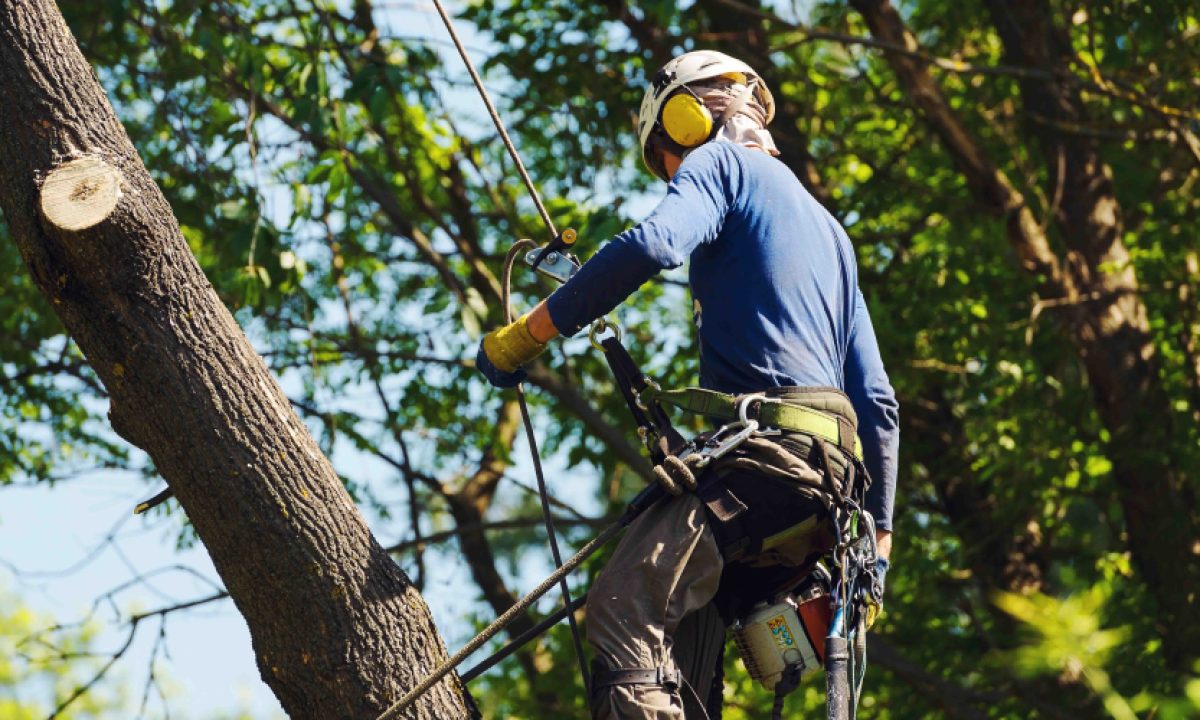
Sales arborists operate at the intersection of plant science and client engagement, offering tailored advice on the health and management of trees. Unlike other arboriculture roles focused solely on fieldwork, sales arborists are responsible for evaluating tree conditions, creating service proposals, and fostering long-term relationships with property owners. Sales arborist jobs require a solid grasp of arboricultural principles, along with the ability to communicate technical information clearly and effectively.
Many individuals who pursue this line of work come from backgrounds in forestry, horticulture, landscaping, or environmental science. Others may have years of field experience as climbers or crew leaders and wish to move into a consultative role. Regardless of their path, successful sales arborists must be able to conduct site inspections, identify structural defects or health issues in trees, and recommend appropriate care strategies that align with the needs of the landscape and the goals of the client.
Education in the plant sciences can significantly enhance a candidate’s qualifications. Topics such as soil science, plant pathology, and pest management provide a foundation for assessing tree vitality and risk factors. Community colleges and universities offer relevant coursework, and many professionals choose to supplement their field experience with formal study. A helpful academic resource for exploring related educational pathways is the University of Florida Environmental Horticulture Department, which outlines programs in tree health and landscape management.
Certification is a major consideration in this profession. Most employers strongly prefer or require that sales arborists hold certification from the International Society of Arboriculture (ISA). The ISA Certified Arborist credential confirms that a candidate has knowledge in tree biology, safety, pruning, and pest identification. Additional certifications, such as ISA Tree Risk Assessment Qualification (TRAQ), may further qualify individuals for advanced roles. If the role includes pesticide recommendations or application oversight, a state-issued applicator license will also be necessary, and each state has its own requirements.
Sales arborists must be capable of bridging the gap between technical analysis and client service. In a typical workday, they may evaluate storm damage, recommend disease treatment options, or develop planting plans. These recommendations must be presented in a clear, professional manner, often supported by photographs, pricing estimates, and written reports. The ability to manage client expectations, schedule follow-ups, and oversee service delivery is essential for maintaining trust and ensuring repeat business.
Because sales arborists serve as the public face of a tree care company, interpersonal skills are just as important as technical knowledge. Good communication, patience, and responsiveness can influence a client’s decision to move forward with services. Many sales arborists use software platforms to track client interactions, manage proposals, and coordinate with field crews. Familiarity with this technology can improve efficiency and strengthen client relationships.
Income for sales arborists often includes a base salary with commission based on services rendered. This model rewards initiative and can lead to strong earnings, especially in areas with high demand for residential or commercial tree care. The profession may involve regional travel to visit client properties or job sites, so reliable transportation is typically required. To learn more about career outlooks and wage data, the O*NET profile for arborists provides national employment trends and role expectations.
Building a career as a sales arborist involves a combination of education, certification, and experience in both technical and client-facing roles. Professionals who enjoy working outdoors, diagnosing tree issues, and helping clients protect their landscapes will find this career both engaging and sustainable. As awareness of urban forestry and environmental stewardship continues to grow, so too will opportunities in this important and specialized field.