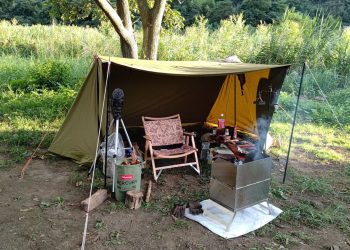
In the densely populated urban centers of Japan, from the towering apartments of Shinjuku to the compact studios of Osaka, a significant lifestyle shift is taking place. The traditional boundary between “outdoor adventure” and “indoor living” is blurring. Known as the “Dual-Use” (Nitoryu) lifestyle, more Japanese residents are investing in high-quality camping equipment not just for their weekend getaways to the foothills of Mt. Fuji, but as permanent fixtures within their homes.
This trend is driven by three uniquely Japanese factors: the nation’s aesthetic of minimalism, the practical necessity of space-saving in small floor plans, and a proactive culture of disaster preparedness (bousai). By choosing gear that performs equally well in a forest or a living room, modern dwellers are redefining what it means to be “at home.”
The Space-Saving Magic of Outdoor Engineering
The primary challenge of living in a Japanese city is the “1K” or “1LDK” apartment layout, where every square meter is precious. Traditional furniture is often bulky and static. In contrast, modern camping gear is designed with the philosophy of “lightweight and compact.”
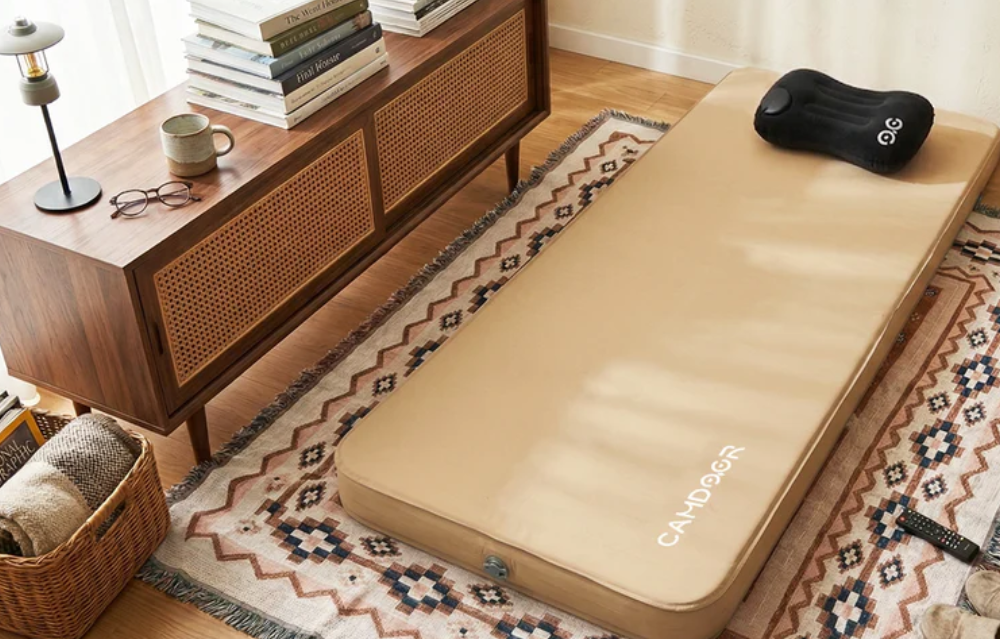
For many young professionals in Tokyo, a heavy, wooden guest bed is an impractical luxury. Instead, they are turning to high-performance キャンプ エアー マット. These mats, engineered to provide lumbar support on uneven forest floors, offer surprising comfort on tatami or hardwood floors. When guests stay over, the mat provides a professional-grade sleep surface; when the guests leave, it deflates or folds into a package no larger than a loaf of bread, disappearing into a closet. This flexibility allows a single room to transform from a bedroom into a spacious yoga studio or home office in seconds.
Disaster Preparedness: Peace of Mind in a Practical Form
Japan is a country that respects the power of nature. Living with the constant awareness of earthquakes and typhoons has made “disaster ready” a core tenet of interior design. This is where the utility of camping gear truly shines. In the event of a power outage or an evacuation, the items you use for leisure become your most critical survival tools.
Consider the role of the 寝袋 in a Japanese household. While it serves as a cozy cocoon during a crisp autumn night at a campsite in Nagano, it also serves as an essential emergency item. Unlike heavy cotton futons, technical sleeping bags utilize advanced insulation that retains heat even in damp conditions. Many Japanese apartment dwellers now keep their “home” sleeping bag draped over their sofa as a stylish throw rug or tucked inside a decorative cushion cover. This ensures that in an emergency, the most vital piece of warmth is within arm’s reach, ready to be packed into a “go-bag” at a moment’s notice.
The Minimalist Aesthetic: Living with Less, But Better
The influence of Danshari (the Japanese art of decluttering) has led many to question the need for specialized “outdoor-only” items. Why own two sets of chairs, two sets of tables, and two sets of lighting when one high-quality set can do both?
キャンプ用チェア, once seen as flimsy or purely functional, have evolved into design pieces. With wooden frames and canvas seats, they fit seamlessly into the “Japandi” (Japanese-Scandinavian) interior style. The beauty of using a foldable camping table as a primary coffee table lies in its portability. If you want to deep-clean your apartment or host a small gathering, the furniture can be collapsed and leaned against a wall. This “movable life” resonates with the nomadic spirit of the younger generation who value experiences over the accumulation of heavy possessions.
Transitioning the Outdoors to the Kitchen
The kitchen is another area where Japanese households are seeing a “camping takeover.” Titanium mugs, stainless steel stackable bowls, and compact gas stoves are moving from the backpack to the kitchen cabinet. In Japan, where the “one-burner” kitchen is common in studio apartments, having a reliable, high-output portable camping stove allows for elaborate cooking that the built-in infrastructure might not support. Furthermore, the durability of outdoor cookware means it can withstand years of daily use on a kitchen range, reducing the need to buy cheap, disposable kitchenware.
Thermal Comfort and Energy Efficiency
Energy costs in Japan can be high, particularly during the humid summers and the biting winters of the northern prefectures. Camping gear is inherently designed for climate control. Many people find that using technical base layers and outdoor-grade insulated blankets allows them to keep their air conditioning or heating at a lower setting, significantly reducing their carbon footprint and monthly utility bills. The same technology that keeps a climber warm on the ridges of the Northern Alps is surprisingly effective at keeping a remote worker comfortable at their desk during a January morning in Sendai.
How to Choose Gear for Dual-Use
If you are looking to integrate camping gear into your Japanese home, focus on three criteria:
Neutral Color Palettes: Choose “earth tones” like beige, khaki, or charcoal. These colors are popular in Japanese camping brands and blend naturally with the wood and paper textures of traditional or modern Japanese interiors.
Ease of Cleaning: Outdoor gear is designed to be hosed down or wiped clean. At home, this means your furniture is “kid-proof” and “pet-proof,” making maintenance a breeze compared to upholstered sofas.
Weight Capacity: Ensure that chairs and cots are rated for daily use. While “ultralight” gear is great for hiking, for home use, you may prefer “heavy-duty” camping lines that offer more stability and longevity.
A Sustainable Way of Traveling and Living
By adopting a dual-use mindset, you are essentially “travel-ready” at all times. When the weekend arrives, there is no frantic searching for gear in the attic. You simply pack the items you were using in your living room the night before. This seamless transition encourages more frequent trips into nature, as the “barrier to entry” for a camping trip is significantly lowered.
Moreover, this approach promotes sustainability. Instead of buying low-quality furniture that ends up in a landfill after a few years, investing in “pro-grade” outdoor equipment ensures that your belongings will last for a decade or more, whether they are used on a mountain peak or in a high-rise apartment.
Conclusion
The Japanese home is evolving. It is no longer a static box filled with permanent objects, but a fluid space that adapts to the needs of its inhabitant. By embracing camping gear as a central part of the domestic experience, residents are finding a unique balance between urban convenience and the rugged spirit of the outdoors. Whether it’s the comfort of a camping mat on a rainy afternoon or the security of a warm sleeping bag in the closet, the “Dual-Use” lifestyle is a testament to Japanese ingenuity and the timeless desire to be ready for any adventure—even the ones that take place in the heart of the city.