Selecting a wardrobe that balances professional expectations with personal comfort is a common challenge for individuals across various industries. Many people find themselves navigating a space where the traditional, rigid suit is becoming less common, yet a polished appearance remains important. Deciding whether to invest in a business casual custom suit or to look for broader custom made clothing often comes down to understanding how different garments fit into your lifestyle and how quality construction changes the way a garment feels during a long day.
Understanding the shift in professional attire
The definition of professional dress has evolved significantly. What was once a standard uniform of dark, structured tailoring has shifted toward more flexible, adaptable options. This change reflects a broader trend toward prioritizing comfort and versatility without sacrificing the intentionality of a professional look.
For many, the appeal of a business casual custom suit lies in its inherent adaptability. Unlike a formal suit designed for occasions where uniformity is expected, these pieces are often constructed with softer fabrics, less interior padding, and a cut that allows for easier movement. This type of garment is meant to be broken apart; the jacket can be paired with chinos or trousers, and the trousers can be worn with a variety of shirts or knitwear. When you choose to go the custom route, you are essentially seeking a garment that bridges the gap between structured elegance and the casual demands of a modern workspace.
Evaluating the benefits of custom garment construction
When you opt for custom made clothing, you are prioritizing the relationship between the fabric, the cut, and your specific physical proportions. Off-the-rack clothing is designed for general averages, which often necessitates compromises in fit, length, or shoulder width. These compromises can manifest as subtle discomforts—an armhole that pulls when you reach for a coffee, or trousers that require constant adjustment because they do not sit quite right.
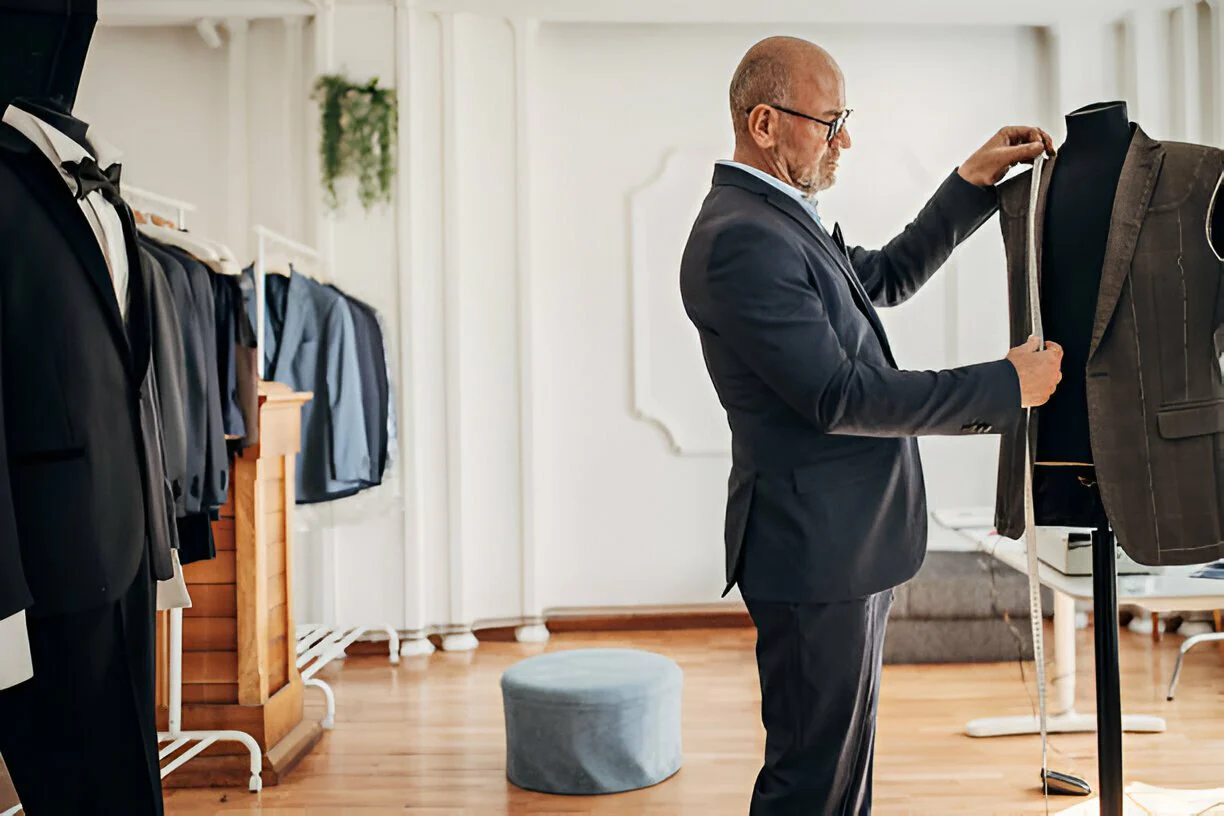
The process of having clothing made to your measurements typically involves an assessment of your daily habits and needs. A professional tailor will often consider the following factors:
- Fabric Choice: Different materials offer varying levels of resilience and drape. Breathable wool blends, for example, tend to handle the movement of a commute better than heavy, traditional worsted wools.
- Structure and Mobility: You might discuss how much “give” you need in the shoulders or how you prefer your sleeves to hit. These details change how you feel throughout a long day of meetings or travel.
- Versatility in Styling: A custom approach allows you to specify details that make a piece more functional, such as pockets designed for specific technology or linings that regulate temperature more effectively.
By focusing on these variables, the final result is a garment that feels like a natural extension of your daily routine rather than a costume you have to wear.
Factors that influence the decision-making process
Deciding to invest in a custom piece is a significant step, and it is helpful to weigh a few considerations before moving forward. The primary question is how often you intend to wear the garment and in what environments. If your daily environment demands frequent travel or long periods of sitting at a desk, the durability of the fabric and the precision of the fit become paramount.
Another consideration is the long-term utility of the pieces. When exploring options for custom made clothing, think about how the individual items will work with the wardrobe you already possess. A well-constructed jacket in a versatile neutral tone can often replace several pieces of lower-quality clothing that might wear out or lose their shape more quickly.
Furthermore, consider the care and maintenance involved. Quality fabrics and construction typically require specific handling, such as periodic professional pressing or careful cleaning, to maintain their structural integrity over time. Aligning your wardrobe choices with your ability to care for those pieces is a practical way to ensure your investment lasts as intended.
Aligning individual needs with professional standards
Ultimately, the goal of dressing well for business is to feel confident and unencumbered. When you are not distracted by a collar that is too tight, a jacket that restricts your movement, or trousers that do not sit correctly, you can direct your full attention to the work at hand.
When you seek out a business casual custom suit, you are not just selecting a style; you are engaging in a process of refining how you present yourself. If you are unsure where to begin, look for providers who prioritize an educational approach. A helpful tailor or consultant will often ask about your specific pain points with existing clothing—where you feel restricted, what fabrics you find comfortable, and what kind of work you perform most often.
Ask questions about the longevity of the materials they suggest and how those materials perform under typical daily stressors. A good professional will also be transparent about the limitations of certain fabrics and will guide you toward choices that offer the best balance between aesthetics and utility.
By taking the time to understand your own preferences and requirements, you turn a standard purchasing experience into a strategy for building a more reliable and comfortable professional wardrobe. Whether you are adding a single versatile jacket to your closet or developing a more comprehensive collection of custom made clothing, the focus should remain on how these garments support your daily activities and help you project the image you intend, while providing the comfort you need to perform at your best.