Fashion has always adapted to the tools of its time. Today, those tools include virtual fitting rooms, personalised shopping apps, digital showrooms and websites that bring a small independent label to customers around the world. A strong visual identity still matters, but the experience behind it increasingly depends on technology—and on people who know how to build it.
For designers, boutique owners and fashion writers, understanding this shift does not mean learning to code overnight. It means knowing which digital skills a project needs, how to find the right expertise and how to make technology support the look and feel of a brand rather than distract from it.
Fashion Is Becoming More Interactive
Online fashion used to be largely about displaying products: a photograph, a description, a price and a checkout button. Now, shoppers may expect size guidance, smooth mobile browsing, short-form video, live customer support and recommendations suited to their preferences. Each feature shapes how a brand feels to its audience.
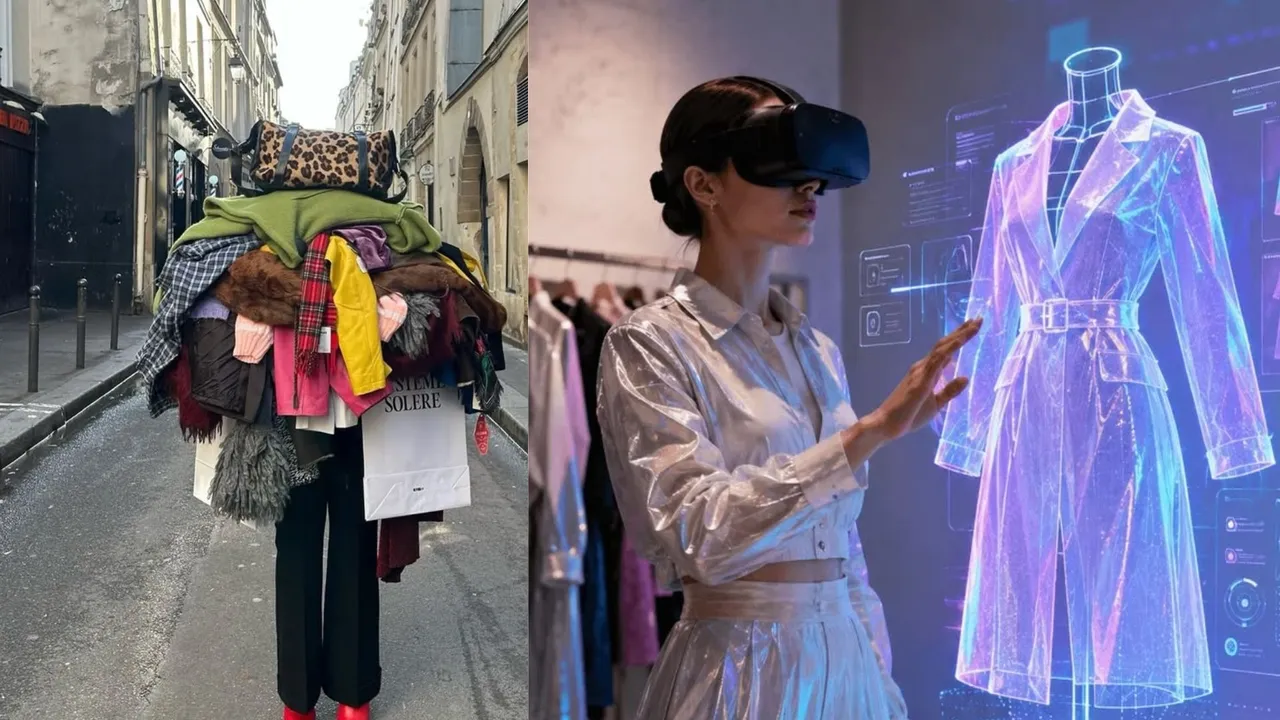
For example, a virtual fitting tool can help customers understand how a garment might sit, while a well-designed product filter makes it easier to find a specific cut, colour or fabric. Behind those polished interfaces are programming decisions about how information is stored, how pages respond and how different devices display the same experience.
That does not make every new feature worthwhile. A small label may benefit more from a fast, easy-to-use shop than from an elaborate digital fitting room. The useful question is not “What technology is trending?” but “What makes choosing, buying or wearing this product easier for our customers?”
The Creative and Technical Sides Need to Meet
Fashion teams are used to working across disciplines. A campaign might bring together a stylist, photographer, make-up artist, copywriter and designer. Digital projects work best with the same kind of shared thinking. A developer needs to understand the brand’s priorities, while the creative team needs a clear picture of what is technically practical.
Before commissioning a website or feature, write down the audience, the task it should help them complete and the visual qualities the brand wants to retain. A mood board can guide colour, typography and imagery, but it should sit alongside practical requirements such as mobile performance, accessibility and ease of updating products.
It also helps to divide a large idea into manageable stages. A first release might include the core online shop and dependable product pages. Customer reviews, loyalty features or a more advanced recommendation system can follow once the basics work well and there is evidence customers need them.
Finding the Right Digital Skills
Not every business needs a permanent in-house development team. A freelancer may be a sensible choice for a defined task, such as improving a checkout, connecting a store to an inventory system or building a campaign landing page. The right arrangement depends on the project’s scope, the level of ongoing support required and the skills already available in-house.
It is useful to understand how freelance services work before deciding what to outsource. Freelancers offer services across fields such as programming, design, writing and marketing; buyers can compare relevant experience and agree on a defined piece of work. On Osdire, for instance, buyers hire independent professionals across more than 900 categories, with flat pricing and payment held securely while an order is in progress, then released after the delivered work is approved.
When reviewing candidates, look beyond a list of technologies. Ask to see examples of comparable work and explain the customer problem the project should solve. Discuss ownership of the finished code, maintenance, deadlines and how changes will be handled. Clear expectations at the start reduce misunderstandings later.
Share Knowledge, Not Just Products
A fashion brand’s digital presence is also shaped by what it publishes. Useful editorial content can explain how a collection was made, offer care advice or discuss the technology changing the industry. For a label working on a fashion app or an online retail tool, a considered article about the programming behind the project can help reach readers who care about both style and technology.
Guest articles are one way to contribute that expertise beyond a company’s own blog. The key is to choose publications whose readers are likely to find the subject relevant, then offer a genuinely informative piece rather than a sales pitch. Teams exploring outlets for technical commentary can browse programming guest-posting websites to see the kinds of coding and software-development publications available.
A useful contribution might examine how a small retailer plans a mobile shopping experience, or explain the development choices behind a virtual showroom. Specific lessons and honest limits make stronger reading than broad claims about innovation.
Keep the Customer Experience in Focus
Technology should make a fashion experience clearer, more convenient or more expressive. If a new feature slows the site, obscures product details or complicates checkout, its novelty will not compensate for the frustration. Test pages on different screen sizes, ask customers to complete ordinary tasks and pay attention to where they hesitate.
Privacy and accessibility deserve the same practical attention as visual design. Explain why customer data is collected, avoid asking for information the service does not need and ensure that essential content is usable with assistive technologies. These choices build trust and widen access to the brand.
A More Connected Fashion Industry
The next stage of fashion’s digital evolution will be shaped by collaboration. Designers bring a point of view; developers turn ideas into working tools; writers help explain what those tools do; and customers reveal which experiences are worth keeping. Businesses do not need to chase every platform or trend. They need to choose technology with intention, commission suitable expertise and keep the human experience at the centre.
When those pieces fit together, digital tools do more than make a brand look modern. They help people discover, understand and enjoy what it creates.