Introduction
Every generation of Malaysians has found its own way to play.
From marble games (guli) and congkak boards in village courtyards to online tournaments viewed by thousands, the nation’s love for leisure and creativity has never faded — it simply evolved.
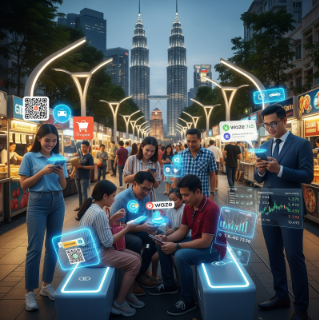
Today, Malaysia stands at the crossroads of tradition and technology. While our parents grew up with outdoor games and community fairs, the youth of 2025 are exploring new digital frontiers where entertainment meets innovation.
1. A Heritage of Play
Traditional games in Malaysia were never just pastimes; they were social glue.
Sepak takraw taught teamwork and precision, wau bulan kite festivals showcased artistry and engineering, and congkak nurtured strategy long before mobile apps existed.
These games reflected the Malaysian spirit — resourceful, competitive, and communal. Even as lifestyles modernized, the essence of these traditions continues to inspire modern creators and developers.
2. The Transition to Digital
The late 1990s and early 2000s saw Malaysia’s first exposure to digital entertainment through PC cafés and early consoles.
What began as casual after-school sessions soon grew into a national trend.
Today, nearly every Malaysian carries a device capable of hosting hundreds of games, connecting users across regions and time zones.
This transition didn’t erase cultural identity — it reinterpreted it. Developers began embedding local stories, languages, and festivals into modern gaming environments, giving global formats a Malaysian twist.
3. Local Developers Rising
In the past five years, Malaysian studios have gained international attention.
Indie developers now create story-driven mobile titles that highlight local folklore, while university incubators train students to code, animate, and design for export markets.
Government initiatives like MDEC’s Digital Content Grant have played a major role, funding new projects and accelerating Malaysia’s place in the global creative economy.
These efforts prove that innovation can be both patriotic and profitable.
4. Cultural Elements in Modern Play
The best digital creations aren’t disconnected from heritage — they build upon it.
You’ll find batik patterns in game skins, gamelan instruments in background scores, and local dialects voiced by homegrown talents.
This cultural layering helps Malaysian games stand out in the crowded global market.
When entertainment reflects identity, it resonates deeper — and players feel proud to see a piece of home on-screen.
5. Online Communities Driving Growth
Digital entertainment isn’t just about creators; it’s about communities.
Online forums, fan pages, and streaming platforms have turned entertainment into conversation.
Fans share tips, host tournaments, and even raise funds for local e-sports teams.
Modern platforms like the modern Malaysian entertainment platform, https://my.bossku.club/mega888/ illustrate how digital spaces can bring together creativity, competition, and community under one roof — echoing the old kampung spirit in a futuristic form.
6. Education and Skill Development
The creative sector is now a legitimate career path.
Schools and universities are offering game-design courses, while bootcamps teach 3D animation and digital storytelling.
Students once told to “stop playing and study” are now encouraged to study what they play.
This shift reflects how deeply entertainment is tied to technology and economic opportunity in modern Malaysia.
7. Challenges for Local Innovators
Despite impressive growth, developers still face hurdles — funding gaps, limited exposure on global stores, and a shortage of advanced technical mentorship.
Addressing these challenges requires partnerships between private investors, government agencies, and education institutions.
With the right support, Malaysia can become the creative hub of ASEAN — exporting not only code but culture.
8. Looking Ahead: Blending Heritage with High-Tech
The future of entertainment is hybrid.
Imagine AR-based wayang kulit performances or AI-assisted batik design workshops.
Technology is not replacing tradition; it’s amplifying it for a digital-native generation.
By merging cultural depth with modern tools, Malaysia has the potential to lead the region in authentic, identity-driven innovation.
Conclusion
From the marble pits of childhood to the glowing screens of today, Malaysian playfulness has never disappeared — it simply found new playgrounds.
Our innovators, developers, and storytellers carry forward the same creative DNA that once shaped our traditional games.
As technology continues to blur the lines between art and code, platforms like the modern Malaysian entertainment platform remind us that true innovation doesn’t abandon culture — it celebrates it, one click at a time.