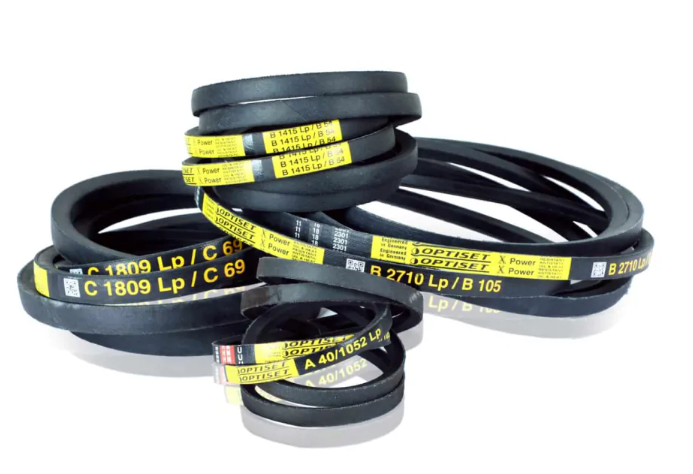
Power transmission drives the performance of machines in every production unit. Belt selection affects speed, stability, load handling capacity, and service life. Choosing between classical and narrow profiles requires clear technical understanding. Numerous operations depend on industrial v belts to maintain consistent torque transfer under varying mechanical stress conditions. Selecting the precise belt type lessens interruption and stops unforeseen breakdowns. Engineers compare groove dimensions, tension capacity, and pulley compatibility before making a choice.
Basic Structure and Design Differences
Classical belts have wider top widths and deeper sections. Narrow belts feature compact profiles and higher power density. Both designs use similar rubber compounds and reinforcement cords. However, their cross-section geometry determines load capacity, heat dissipation rate, and pulley contact efficiency under continuous operation conditions.
Power Capacity and Load Handling
Narrow profiles transmit more power per unit width. Their compact structure improves sidewall grip on pulley grooves. Classical designs distribute load over broader surfaces. This variance influences torque efficiency, vibration control, and lasting wear resistance under moderate to heavy mechanical strain levels.
Space Requirements and Installation
Equipment layout often limits belt width. Narrow designs suit compact machinery where space remains limited. Classical types need larger pulley dimensions for correct alignment. Installation planning must consider shaft spacing, belt tension adjustment, and proper groove matching to ensure stable operation.
Heat Dissipation and Efficiency
Heat buildup affects belt life. Narrow designs generate less internal friction due to improved cord placement. Classical types may produce more heat under high load. Proper ventilation, correct tension setting, and quality materials help maintain thermal steadiness during unceasing duty cycles.
Maintenance And Replacement Cycle
Routine inspection prevents sudden failure. Classical belts show visible surface wear earlier. Narrow types often maintain shape longer under proper tension. Replacement planning should follow manufacturer guidelines. Timely service reduces production loss and protects connected mechanical components from damage.
Cost Comparison and Long-Term Value
Initial price differs between designs. Narrow types may cost slightly more. However, improved power density reduces the number of belts required. Classical options remain economical for moderate loads. Budget decisions should consider lifespan efficiency gains and overall operating expense.
Application Suitability Across Machinery
Heavy industrial systems often prefer compact high-power belts. Light-duty machines may operate efficiently using broader profiles. Compatibility depends on pulley design, shaft speed, and torque demand. Matching belt type to machine rating ensures stable mechanical performance.
Performance Under High Speed Operation
High rotational speed increases centrifugal force. Narrow profiles maintain grip under rapid motion. Classical types perform well at standard speed ranges. Engineers evaluate maximum allowable speed limits before selecting the belt type for continuous high RPM machinery.
Quick Selection Guide for Engineers
Proper selection avoids performance loss. Review pulley size, alignment condition, and motor rating before choosing.
- Check pulley groove profile for correct belt compatibility.
- Measure shaft distance to confirm proper tension setting.
- Review motor power rating against the belt capacity chart.
- Inspect the environment temperature before finalizing the belt material.
- Confirm alignment accuracy to reduce premature surface wear.
Comparison Table for Better Clarity
Clear comparison helps purchasing teams decide effectively. The table below summarizes practical differences.
| Feature | Classical Type | Narrow Type |
| Top Width | Wider profile | Compact profile |
| Power Density | Moderate transmission | Higher transmission |
| Pulley Size | Larger required | Smaller compatible |
| Heat Control | Moderate cooling | Improved cooling |
| Cost Level | Budget friendly | Slightly higher |
| Space Use | Requires more space | Ideal for tight areas |
Careful evaluation leads to better mechanical output. Each design serves a distinct purpose. Compact models suit high power density needs. Wider options support moderate load systems. Balanced assessment of load speed and space determines the best solution. Reliable industrial v belts improve operational stability significantly.