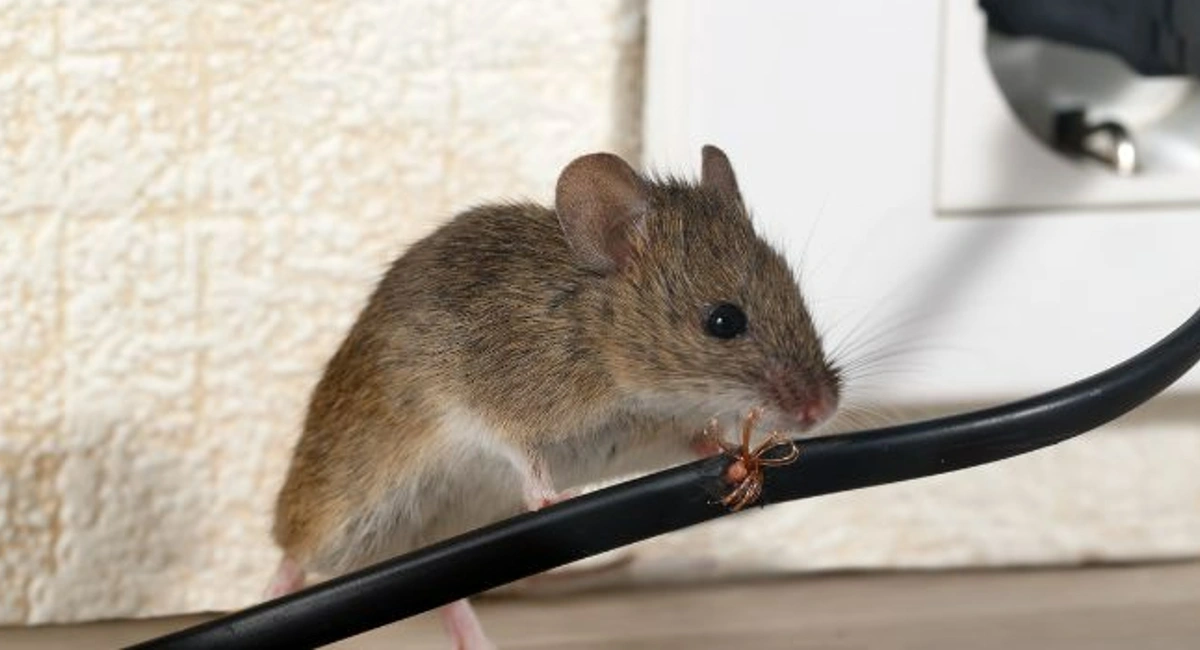
In terms of intelligence, rats are sometimes underappreciated. Even though they could be considered a nuisance, everyone who has tried to cope with them understands they are far from simple organisms. These annoying rats have an amazing range of cognitive skills, and eradicating them is difficult. They rank among the smartest pests to outsmart stems from their intellect, survival instincts, and flexibility. If you have ever dealt with a rat infestation, you will know just how intelligent these animals are and why eliminating them calls for more than just laying some traps.
Rats are Remarkably Adaptable
Rats are exceptionally powerful pests in part because of their unmatched capacity for environmental adaptation. Rats live in different kinds of environments, whether they are in tranquil countryside barns or busy metropolises. Highly resourceful animals, this flexibility spans not just their physical surroundings but also their food sources. Their omnivorous diet lets them consume almost anything, from home cables to thrown-off fast food.
Imagine coming into a new house and finding rodents have beaten you to it. Quickly adapting to their surroundings, they nest in walls, under floors, or in your attic. Rats are quite nimble; they can squeeze through small openings and chew their way into new areas, therefore rendering the concept of a “rat-proof” house almost ridiculous.
Rats Have Excellent Memory
If you have ever used a simple trap to catch a rat, you have most likely found how difficult they are to catch. This is beyond chance; rats have remarkable memories. They are quite unlikely to fall for the same trick repeatedly after they have been in a trap or dangerous environment. Because of this ability to recall danger zones, conventional approaches to rat control—such as setting poison or traps in the same areas—become less successful with time.
Rats’ memories are so strong that they can even remember certain paths to food or safety. Their ability to learn and avoid risks is like that of a professional escape artist. Therefore, even if you could find a rat or two, most of their pack is probably learning from the mistakes of their dead friends. It is not surprising, then that professional rat exterminators often have to change strategies regularly to keep ahead of these clever rodents.
Rats Display Problem-Solving Skills
Rats have been proven in studies to be able to negotiate difficult environments, complete sophisticated mazes, and even employ simple tools to get food. They can grasp the dynamics of their surroundings and modify their behaviour to get over challenges.
In metropolitan environments, they could pick up skills in avoiding lethal bait or pilfering food without setting off a trap. Their cunning makes them very disruptive since their ability to solve problems means they are always changing to fit the eradication techniques applied against them. This is why outthinking them is more important than simply using traps in rat elimination.
Rats Are Social Learners
Rats learn from one another in addition to depending solely on their own experiences. Their social intelligence adds yet another factor contributing to their extreme difficulty. The discovery of a food supply or a safe hiding place by one rat can rapidly spread over the group. Likewise, depending on their common knowledge, other rats are likely to avoid an area if one rat finds danger. Once one rat starts to show mistrust of a specific food supply, for example, the whole colony may avoid it, therefore rendering your bait traps ineffective.
Rats Are Skilled at Detecting Threats
Rats are nocturnal animals; hence, you might have observed that they usually venture out just while people are asleep. This is not only because they like the dark but also because they have enhanced senses that enable them to see hazards. Using their keen senses of smell and hearing, rats find the presence of predators or toxins like poison.
In a new habitat, rats will consume only tiny amounts of food, avoiding anything that seems strange. Should they perceive a threat, they will completely avoid that location. Their wariness makes them tough to poison or catch successfully. Their increased awareness helps them to foresee human intervention, complicating efforts at rat elimination.
Rats Breed Quickly and in Large Numbers
The amazing rate of rat breeding compromises even the best-laid measures for eradicating them. Any eradication campaign has to be quick and comprehensive since a single couple of rats can generate hundreds of offspring in a year and help to avert a full-fledged epidemic. Moreover, the younger generations acquire the survival capabilities of their predecessors, which makes them far more difficult to eliminate. A rat invasion can rapidly spiral out of control without regular and forceful management actions. Their capacity for reproduction is a survival tactic used to guarantee their population survives even in the face of ongoing dangers.
Rats Are Highly Resilient
From sewers to abandoned houses, and even after being poisoned, they have been found to thrive in some of the worst settings possible. Their capacity to survive in hostile conditions and robust immune systems help explain why they are pests still. Although eradication techniques impact some people, the surviving rats usually acquire resistance to conventional poisons.
Many individuals find it impossible to totally exterminate rats on their own since of this resistance. Professional pest control services are absolutely necessary because of their capacity to recover following efforts at elimination. Professionals have the equipment and knowledge to address rat infestations using a variety of sophisticated techniques transcending the usual do-it-yourself approach.
Rats Exploit Human Habits
Rats’ ability to take advantage of human behaviour is maybe the most annoying factor defining them as intelligent pests. They are aware that generally speaking, food and cover abound where humans live. By scavenging our leftovers, nesting in our walls, and slinking through the smallest of holes in quest of warmth and food, rats have flourished in metropolitan settings.
They have grown so entwined with human life that even disregarding home maintenance or dealing with food waste can provide the ideal environment for rats to flourish. Once they discover an easy supply of food, they will take advantage of it until it runs out; they are alert and fast to see possibilities. Apart from physically handling the rats themselves, professional rat eradication sometimes entails rat removal.
Final Thoughts
Unquestionably intelligent animals, rats remain among the toughest and most tenacious pests to eradicate. Their social learning, flexibility, and problem-solving skills make them a great challenge. For those dealing with a rat problem, it is abundantly evident that good rat elimination calls for more than simply a few traps; it calls for knowledge and outwitting of these clever vermin. Although do-it-yourself solutions can help, hiring a professional guarantees that all facets of rat behaviour and survival are handled, therefore addressing a rodent issue. In the struggle of wits between people and rats, your best line of protection is a well-prepared plan.