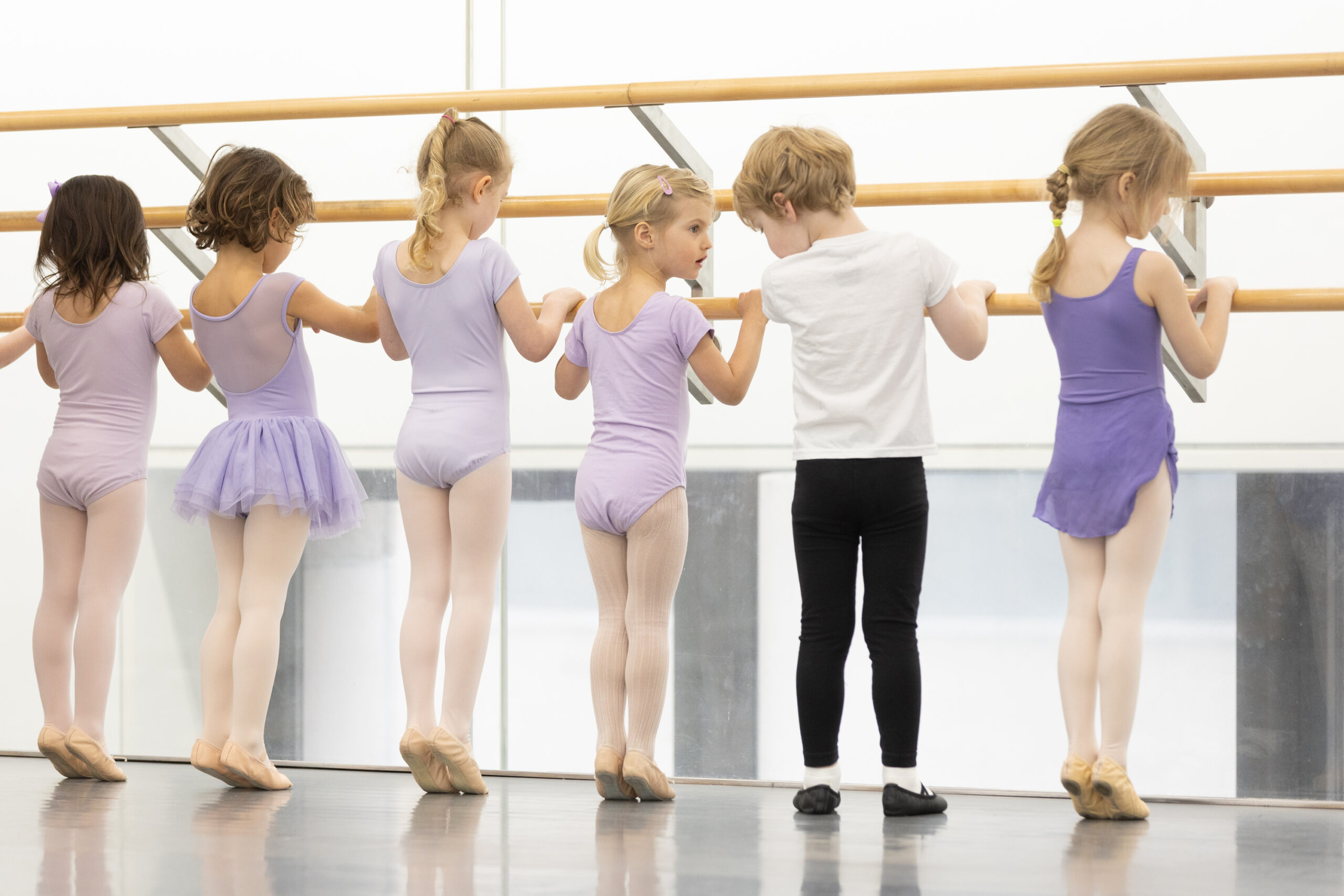
When most people think of ballet, they picture elegant movement, pink leotards, and tiny dancers in tutus spinning across the floor. But what many parents don’t realize is that enrolling in a ballet class for kids offers far more than just a cute photo opportunity. Ballet builds discipline, focus, body awareness, and emotional intelligence in ways that few other activities can.
For young children, ballet is not only an art form—it’s a carefully designed method of teaching balance, coordination, and structure during key developmental years.
Ballet Creates a Strong Physical Foundation
One of the most important things a ballet class teaches children is how to move with purpose. From the very first lesson, kids are guided to hold their spine tall, align their shoulders and hips, and use their limbs with control. These physical habits become muscle memory over time, influencing how they walk, run, and carry themselves in everyday life.
This kind of training is especially helpful during early childhood, when the body is still growing and forming basic movement patterns. Ballet promotes strong, flexible muscles, proper posture, and balanced body development. These are qualities that help reduce injuries not only in dance but in sports and play.
Many children who start ballet at a young age develop better coordination and motor skills, which often translates to improved performance in other physical activities. Whether they move on to gymnastics, soccer, swimming, or continue dancing, ballet builds the kind of physical awareness that supports long-term athletic development.
Mental Discipline Begins at the Barre
While ballet is physically demanding, it also provides incredible mental benefits. A ballet class for kids teaches structure, routine, and concentration. Even the youngest dancers must learn to follow instructions, stay in line, take turns, and remember sequences.
Every movement in ballet has a purpose and a name—usually in French—and children begin learning these terms early on. The process of connecting a word with a motion and repeating it each week helps sharpen memory, attention span, and focus.
This mental discipline carries over to schoolwork. Children who are accustomed to focusing during ballet class often show improvements in classroom behavior, task completion, and listening skills. Learning to respect a teacher’s guidance and persist through repetition helps build resilience and self-regulation—skills that are critical for academic success and emotional maturity.
Creative Expression and Confidence
Ballet is structured, but it’s also expressive. Through dance, children learn how to tell a story with their bodies. Whether they’re pretending to be a swan, a butterfly, or a snowflake, ballet allows young dancers to embody characters and emotions in a unique way.
This creative aspect is especially valuable for children who may be shy or struggle to express themselves through words. A ballet class gives them a safe, supportive space to explore identity and emotion through movement. Over time, they become more confident—not only in how they move, but in how they present themselves to the world.
How a Ballet Year is Structured
Most ballet programs follow a yearly calendar designed to support learning and growth. Our school’s schedule includes:
-
January to April: ABT Primary to Level 2 Exam Coaching
-
April to May: ABT Ballet Exams and Master Class
-
September: Annual School Recital
These structured events offer students tangible goals. For children aged 6 and up, participation in coaching sessions and exams is mandatory, ensuring that each dancer progresses steadily and receives feedback on their performance.
Exams help students understand where they stand in terms of technical skill and artistic development. The recital, meanwhile, offers a chance to perform on stage—an invaluable experience for building confidence, teamwork, and stage presence.
The Role of Routine and Responsibility
Children thrive on routine, and ballet provides just that. Classes follow a predictable format each week: warm-up, barre, center work, across-the-floor, and cool-down. This consistency helps children feel secure and allows them to track their own improvement over time.
Responsibility also becomes part of the experience. Dancers must show up on time, dress appropriately, and be prepared to focus. As they grow older, they take ownership of their practice, learning to manage their own warm-ups or memorize choreography.
These habits encourage independence and time management, helping kids become more responsible and organized in other areas of life.
Final Thoughts
A ballet class for kids is not just about learning how to dance. It’s about developing the whole child—physically, mentally, and emotionally. Through careful instruction, supportive structure, and artistic exploration, ballet gives children the tools to succeed both on and off the stage.
So while it may start with a plié or a spin, what your child gains in ballet will echo far beyond the studio floor. Whether they continue in dance or not, the strength, focus, and confidence they build in ballet will be part of who they are for life.