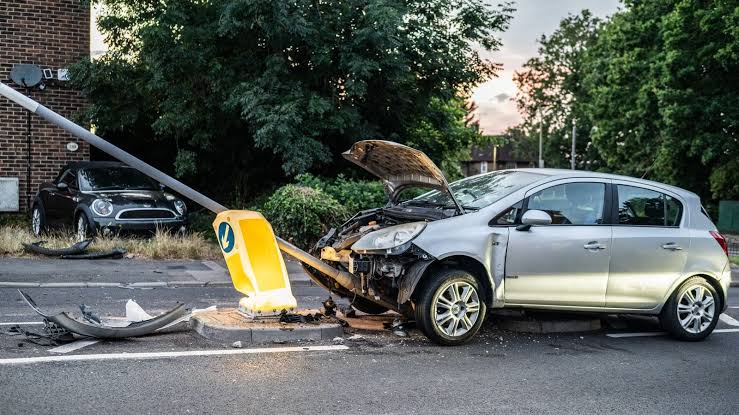
A settlement offer can sound reasonable until an injured driver starts looking at what the payment actually covers. Medical bills, missed income, disputed accident details, and future treatment expenses can all affect whether the amount is fair. Consulting a personal injury lawyer in Huntsville AL before signing an agreement can help injured motorists understand how insurers calculate compensation and whether the proposed payment reflects their actual losses.
The Exact Resting Spots and Skid Marks Disappear from the Road Right Away
Accident scene evidence can affect settlement negotiations because it helps establish which driver caused the collision. Vehicle resting positions, skid marks, and debris patterns may show how the crash happened and whether either driver attempted to avoid it. Once traffic resumes, these details can disappear. Without photographs or measurements, insurers may question the circumstances surrounding the accident. A settlement that appears reasonable based on medical expenses alone may deserve closer review if the insurance company has reduced its offer because of disputed fault.
Towed Cars Get Moved Around a Lot and Can Pick up Extra Damage at the Lot
Vehicle damage offers useful information about the direction and location of an impact. Investigators may compare crushed panels, damaged bumpers, and broken components to determine how the vehicles collided. However, towing equipment and storage handling can sometimes cause additional damage. Distinguishing those marks from the original collision damage becomes important when insurers dispute repair costs or question the accident’s severity.
Photographs taken before towing can help establish the vehicle’s condition immediately after the crash. Detailed repair estimates and inspection reports may also reveal structural damage that wasn’t obvious at the scene. Someone searching for a car accident lawyer near me may benefit from having an attorney review this evidence before accepting a settlement based on incomplete vehicle damage assessments.
Electronic Black Box Data Might Get Wiped or Lost Before You Can Check It
Certain vehicles contain event data recorders that may preserve information about speed, braking, and accelerator use during a collision. This information can help resolve disagreements about how the accident occurred, although recordings vary by vehicle and aren’t available for every crash. Repairs, disposal, or later events may affect access to stored information. A personal injury attorney can assess whether retrieving available electronic data would help establish liability. Such evidence may influence settlement discussions when an insurer’s offer reflects allegations that the injured driver contributed to the accident.
You End up Having to Rely on Rough Police Sketches and Blurry Phone Photos
Police diagrams provide a general picture of an accident, but they may not show precise vehicle positions, impact angles, or roadway measurements. Officers often prepare these sketches using statements and observations collected after the collision. If witnesses disagree or vehicles have already moved, the report may leave important questions unanswered.
Insurance adjusters may rely on limited photographs and police records when determining responsibility. Yet unclear images don’t necessarily prove that either driver caused the crash. Additional witness accounts, nearby camera footage, and repair inspections may help clarify the evidence. Experienced accident and injury lawyers can review these materials when an insurer disputes liability. A settlement deserves closer examination if the company reduced its offer without adequately considering available evidence.
Figuring out Which Driver Actually Hit the Brakes First Becomes Way Harder
Braking behavior can help investigators understand whether a driver had time to avoid a collision. However, skid marks don’t always reveal exactly when braking began, particularly with modern anti-lock braking systems. Road conditions, vehicle speed, and reaction time also affect stopping distances. People comparing auto accident lawyers near me should consider whether an attorney can assess disputed liability evidence before recommending a settlement. Alabama’s contributory negligence rule makes this especially important because an injured driver’s proven contribution to the accident may prevent recovery under applicable law.
Insurance Companies Often Use the Missing Proof to Deny Your Claim
Incomplete evidence can give insurers grounds to question liability, injury claims, or the amount of compensation requested. Still, a fair settlement review should address more than accident photographs and repair bills. Medical expenses, lost wages, future treatment needs, and documented physical limitations may all affect the claim’s value. Policy limits and valid reimbursement claims can also influence the amount an injured person ultimately receives. For motorists searching for a personal injury lawyer Huntsville AL, Wolfe Jones handles accident injury claims and disputed insurance settlements throughout North Alabama. Its attorneys can examine the available evidence, review proposed settlement terms, and help injured individuals assess whether an offer reasonably reflects their documented losses.